English (EN)
 Deutsch (DE)
 Nederlands (NL)
 中文 (ZH)
Integrated solutions for long-lasting microbial protection in polymer products
Enhance polymer performance with durable, regulatory-compliant antimicrobial additives for cleaner, more resilient products
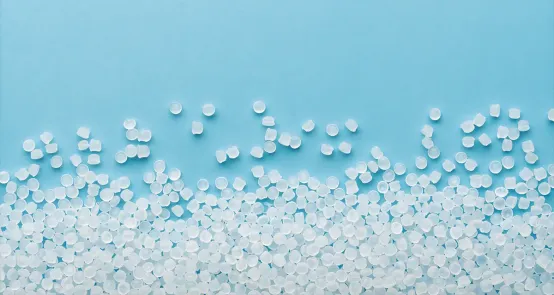
HeiQ’s antimicrobial additives for plastics provide built‑in, long‑lasting protection against microorganisms that cause odour, staining, and material degradation. Easily integrated into polymers during manufacturing, these solutions help extend product lifespan while maintaining aesthetics and performance. Designed for versatility, they are compatible with virtually all plastics and processing methods, including injection moulding, compression moulding, rotomoulding, extrusion, and blow moulding. High performance and durability are achieved through pelletised polymer carrier systems that mix with plastic resins and are moulded into plastic products or extruded into films, sheets, or fibres.
Key benefits
- Long‑lasting antimicrobial protection embedded directly in the polymer matrix
- Helps reduce odour, staining, and material degradation caused by bacteria, mould, mildew, and algae
- Compatible with all major polymers and processing methods, including injection moulding, extrusion, and blow moulding
- Preserves product aesthetics and performance, including options for food contact, drinking water contact, high transparency, and colour stability
- Regulatory‑compliant solutions for plastic applications, including food and water contact
Applications
Our antimicrobial additives for plastics have a wide range of applications.
-
Consumer goods
Provide built-in protection against bacteria that cause odours, staining, and surface degradation. They help consumer products stay cleaner and extend product lifespan.
-
Healthcare & medical
Inhibit microbial growth in medical plastics with high-touch surfaces and equipment. They support hygiene and long-lasting protection in healthcare environments.
-
Construction & infrastructure
Antimicrobial additives for construction plastics protect building materials from bacteria and mould growth. They improve durability, reduce odours, and maintain long-term material performance.
-
Industrial applications
Protect equipment and surfaces from microbial degradation. They reduce odours, staining, and material wear in demanding operational environments.
-
Automotive & transport
Antimicrobial additives for automotive plastics help keep interior and high-touch surfaces cleaner. They prevent microbial growth, supporting durability and hygiene in vehicle environments.
-
Our certifications & standards:
Chemical substances are regulated worldwide, and substances used to control microorganisms are subject to particularly strict requirement...Chemical substances are regulated worldwide, and substances used to control microorganisms are subject to particularly strict requirements. HeiQ supports customers in identifying the regulatory obligations that apply to their specific products and markets. In the United States, antimicrobial substances are regulated under the Federal Insecticide, Fungicide, and Rodenticide Act (FIFRA), while in the European Union they fall under the Biocidal Products Regulation (EU) No 528/2012 (BPR). HeiQ offers a broad portfolio of antimicrobial additives compliant with both FIFRA and BPR, including solutions suitable for plastics and coatings intended for food or drinking water contact, depending on regional regulations.
HeiQ regulatory support includes:
- Regulatory information and assessment for each product and target market
- Guidance and review of antimicrobial marketing claims
- Access to the HeiQ Polymers portfolio of regulatory approvals and supporting documentation
-
The science behind the technology
HeiQ antimicrobial additives are integrated into plastics as masterbatches or active compounds during manufacturing, ensuring even distri...HeiQ antimicrobial additives are integrated into plastics as masterbatches or active compounds during manufacturing, ensuring even distribution throughout the material. The active ingredients work at the surface to control microbial growth, helping reduce odour, discolouration, and material degradation. Because the functionality is built into the polymer rather than applied as a coating, performance remains durable over the lifetime of the product. The technology can be tailored using silver‑based, synthetic, or bio‑based actives to meet specific application, regulatory, and sustainability requirements.
-
Frequently Asked Questions (FAQ)
-
How do antimicrobial additives work in plastic materials?
-
How long does the antimicrobial protection last?
-
Are antimicrobial additives safe and compliant with regulations?
Don’t see the answer you’re looking for?Explore HeiQAntimicrobial additives are embedded directly into the plastic matrix, where they continuously inhibit the growth of microorganisms on the surface. Depending on the technology, they act by disrupting microbial cell membranes or interfering with essential biological processes, helping keep surfaces cleaner and more hygienic.
The protection is designed to be long-lasting and typically remains effective for the entire lifetime of the plastic product. As the additive is integrated into the material, not just coated on the surface, it does not easily wash off or wear away under normal use conditions.
Yes. HeiQ antimicrobial technologies are developed to meet stringent global regulatory requirements, including frameworks such as EU BPR, US EPA, and REACH where applicable. They are engineered to be safe for intended uses, including applications with frequent human contact.
Absolutely. HeiQ antimicrobial additives are designed for seamless integration into existing production processes, including injection molding, extrusion, and compounding. They are compatible with a wide range of polymers and are formulated to maintain the material’s mechanical and aesthetic properties.
HeiQ antimicrobial additives are effective against a broad range of bacteria and other odor-causing microbes. Performance is validated using internationally recognized test standards such as ISO 22196 and ASTM methods, ensuring proven and measurable efficacy.
-
-
Compatible with:
-
Polypropylene (PP)
-
High impact polystyrene (HIPS)
-
Polyvinyl chloride (PVC)
-
Polyurethanes (PU)
-
Polyethylene (PE)
A
-
Polypropylene (PP)
Food containers, appliances, car fenders (bumpers)
-
High impact polystyrene (HIPS)
Refrigerator liners, food packaging and vending cups.
-
Polyvinyl chloride (PVC)
Plumbing pipes and guttering, shower curtains, window frames, flooring, and building materials
-
Polyurethanes (PU)
Cushioning foams, thermal insulation foams, surface coatings, and leather coatings.
-
Polyethylene (PE)
Wide range of inexpensive uses including supermarket bags, bins, trolleys, plastic bottles.
-
Polystyrene (PS)
Packaging foam, food containers, disposable cups, plates and cutlery.
-
Acrylonitrile butadiene styrene (ABS)
Electronic equipment cases (e.g. computer monitors, printers, keyboards), drainage pipes, appliances.
-
Polyamides (PA) or Nylons
Fibers, toothbrush bristles, fishing line, under-the-hood car engine moldings.
-
Polycarbonate (PC)
Compact discs, eyeglasses, riot shields, security windows, traffic lights, lenses, protective cases.
-
Polycarbonate / Acrylonitrile Butadiene Styrene (PC/ABS)
A blend of PC and ABS that creates a stronger plastic used in car interior and exterior parts.
-
Thermoplastic Elastomers (TPEs)
A lower cost replacement for traditional rubber, these materials are often utilized in flexible films, seal materials and molded consumer goods where tactile feel is a benefit.
-